
SwimPolska
2024–202605

Where we have been

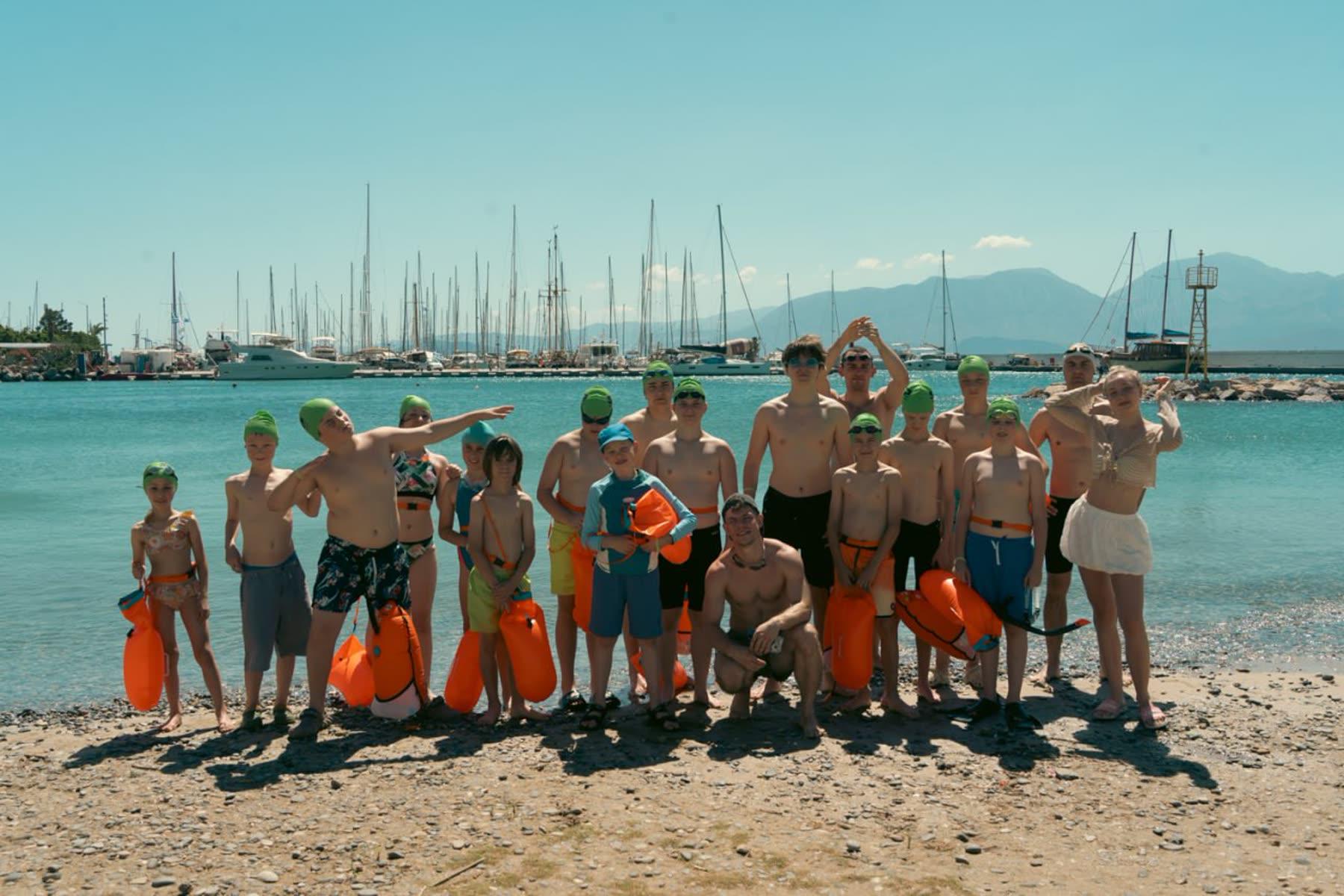
  • The camp group lined up on a beach with orange buoys, a harbour behind them

    Agios Nikolaos, Crete

    Crete Summer Camp 2026

    8–18 y.o.

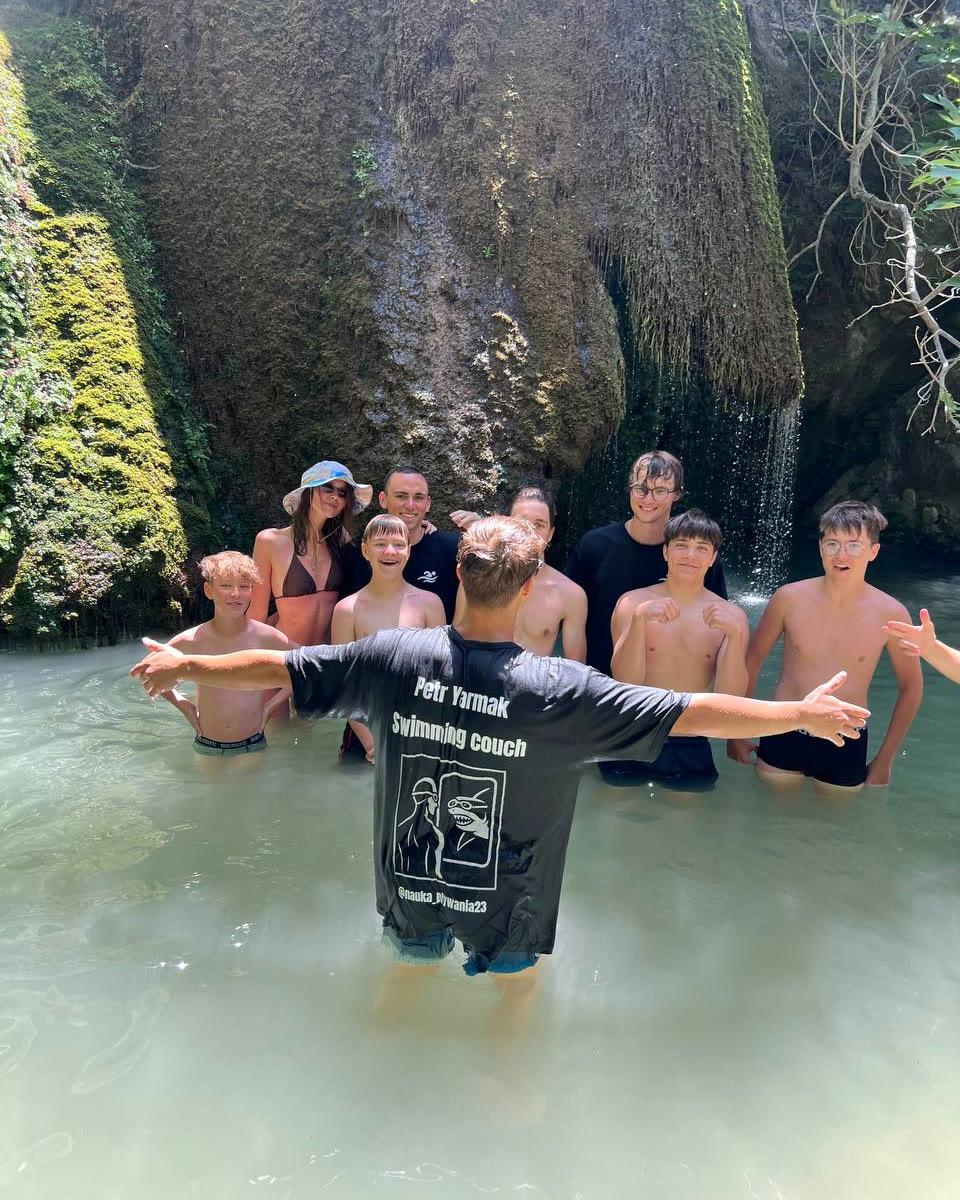
  • Kids standing in a river pool beneath a waterfall

    Agios Nikolaos, Crete

    Crete Summer Camp 2025

    11–18 y.o.

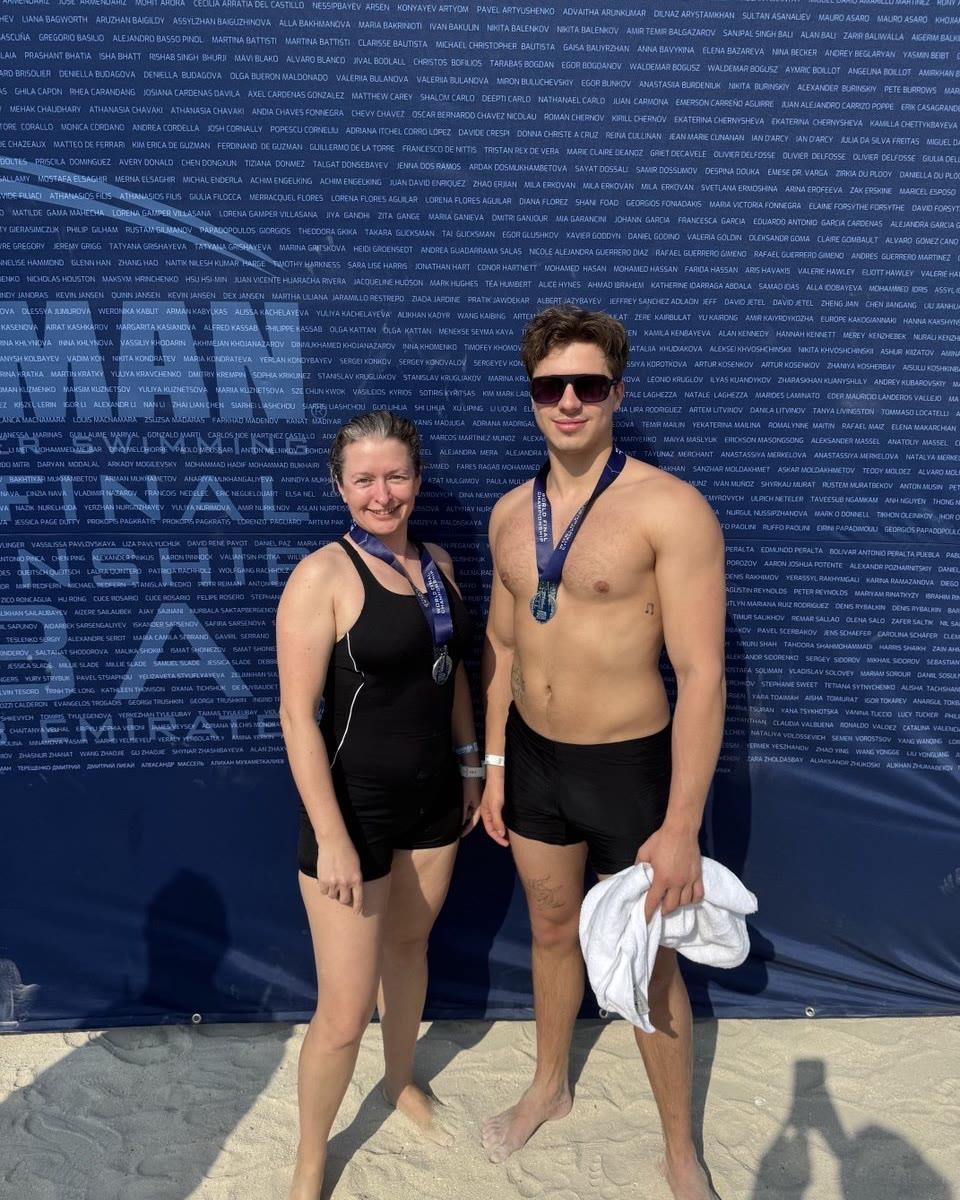
  • Two swimmers with finisher medals in front of the OCEANMAN backdrop

    Dubai, UAE

    OCEANMAN Dubai 2024

    Competitive squad

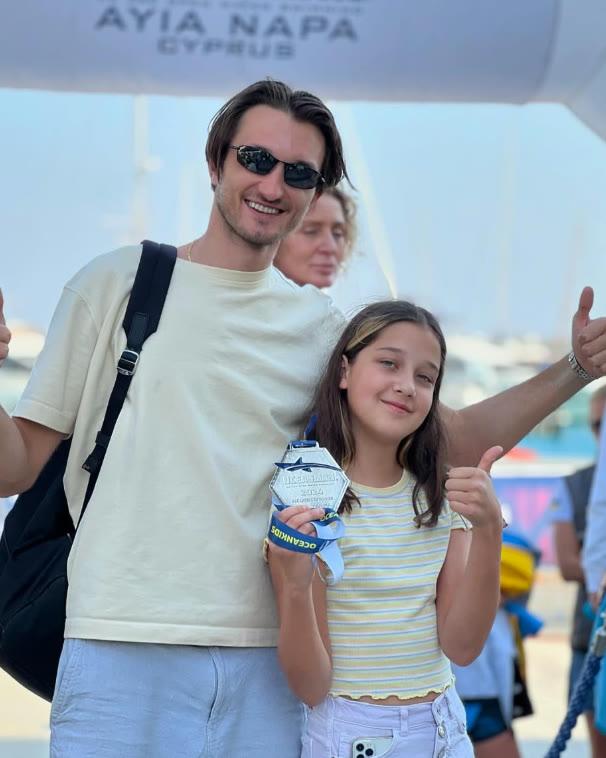
  • A coach and a girl at the OCEANMAN Ayia Napa finish arch, thumbs up

    Ayia Napa, Cyprus

    OCEANMAN Cyprus 2024

    Competitive squad

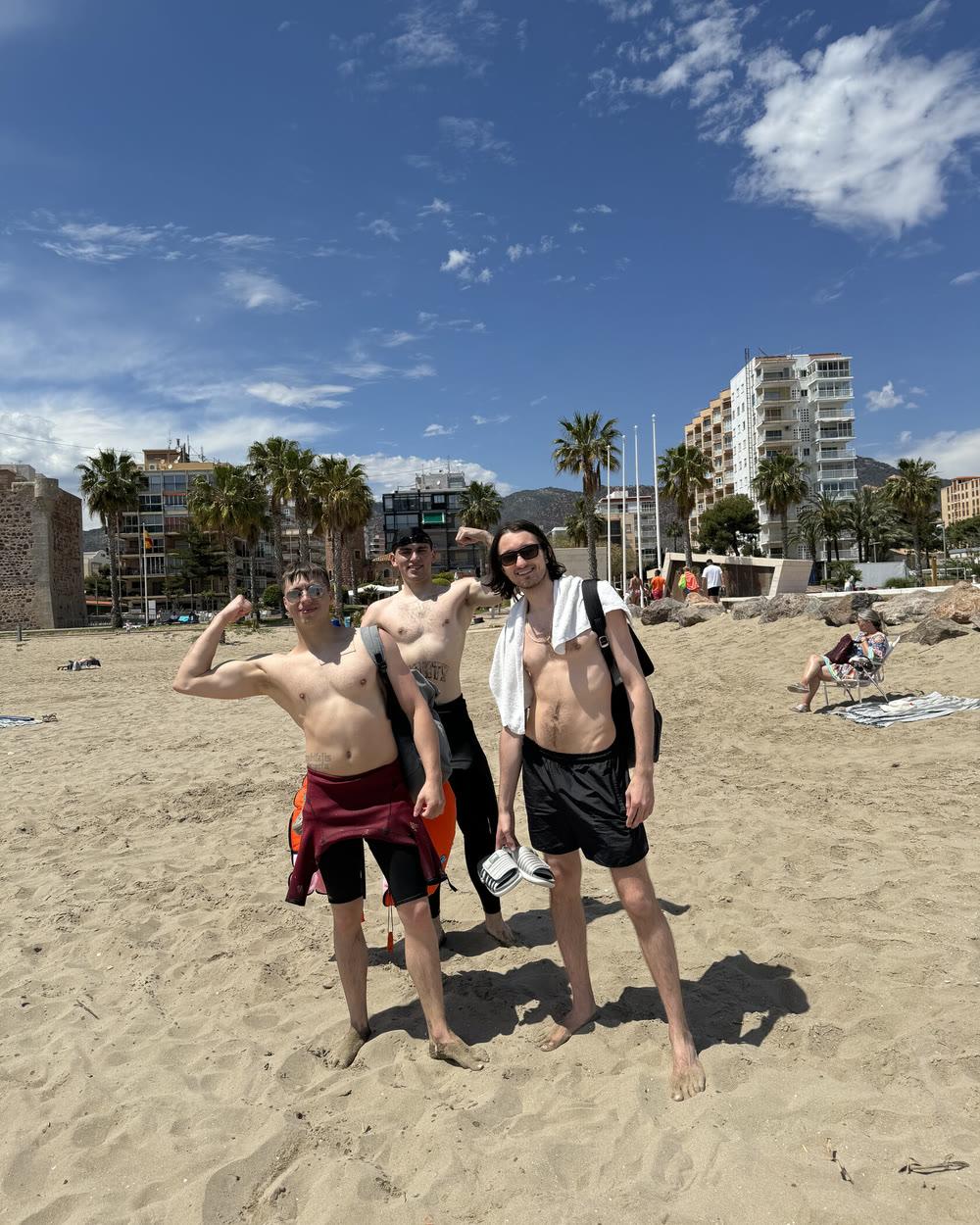
  • Three swimmers on a sandy beach with palms and apartment blocks behind

    Spain

    OCEANMAN Spain 2024

    Competitive squad

Why Crete

Some places are for resting.Some places are for training.And then there is Crete — where kids grow and get stronger at everything.
Petr Yarmak, camp organiser

Petr first had the idea for a kids’ camp back in 2016, walking the narrow streets of Agios Nikolaos.

He has been coming here for more than twenty years: his grandmother lives here, he knows the town inside out and calls it his second home. When it came to choosing a place for the camp, there was no question.

Agios Nikolaos is a small, clean, quiet town where everyone knows each other. For a kids’ camp that matters most: children can move around, rest and train freely, without stress or risk.

A day at camp

The first three days are for acclimatisation: short, light sessions in the water and in the shade. Active sessions run in the morning and evening, away from the peak heat.

  1. 08:30

    Wake-up

    On training days. On rest and excursion days — 9:30.

  2. Morning

    Warm-up

    Optional: stretching, breathing exercises, moving in the fresh air. Anyone who wants to can sleep in.

  3. 10:30

    Swimming

    The first full session, 10:30–12:00 — in the sea or the pool, before the sun is at its highest.

  4. Afternoon

    Lunch and quiet hour

    A nap or quiet rest in air-conditioned rooms to recover after training.

  5. 18:00

    Dryland training

    Evening session: dryland exercises, pull-up bars, stretching or swimming. A stadium with a view of the sea and mountains.

  6. Evening

    Town and talks

    Walks around town, short outings, talks on nutrition and sport. Time to call home.

  7. 23:00

    Lights out

    Always by 23:00.

Two groups, one routine

Younger group

6–10

A light, game-based format: coordination, flexibility, speed. Less strength work, more dryland swim drills. Swimming happens in the pool or on a shallow, calm beach; lighter days include walks.

Older group

10–18

A full sports routine: higher demands, individual tasks, technique control.

Within each group we also split by level — from recreational swimmers to athletes, each with their own load. At the end of the session swimmers aged 10+ take an exam: 500 m or 2000 m. After camp they are ready for open-water races such as OCEANMAN and Aqua Speed Open Water.

Where they live

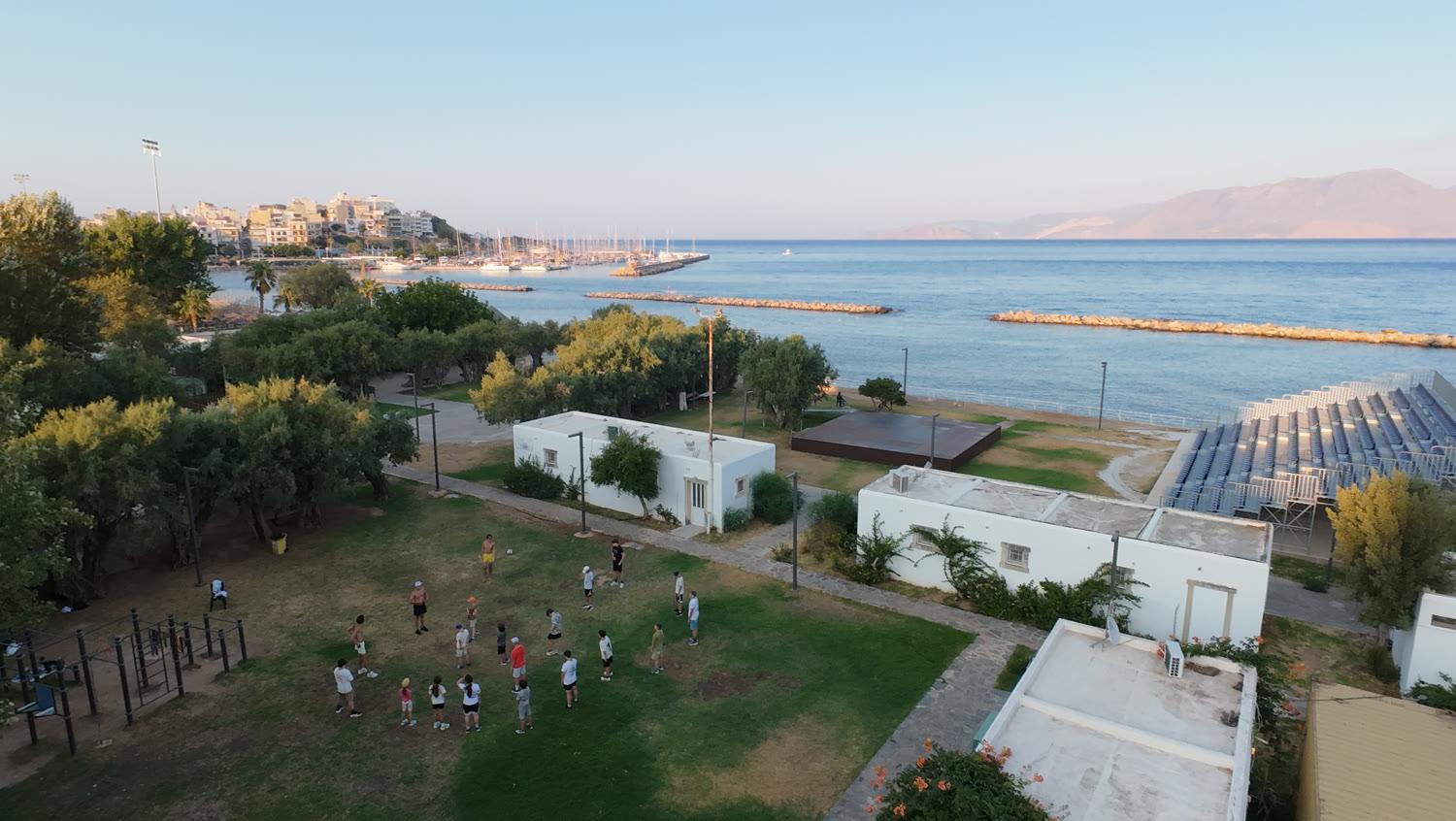
Kids live in ten cosy cottages, 4–5 per cottage, on closed, secure hotel grounds. The base has its own pool for lessons and fun.

10
cottages, 4–5 kids each
800m
to the beach where we swim
600m
to the stadium for dryland training
36
kids per session
10
staff on site
5min
by car to the nearest hospital
Drone view of the grounds by the sea: white buildings among trees, the group warming up on the lawn
From the drone · July 2026
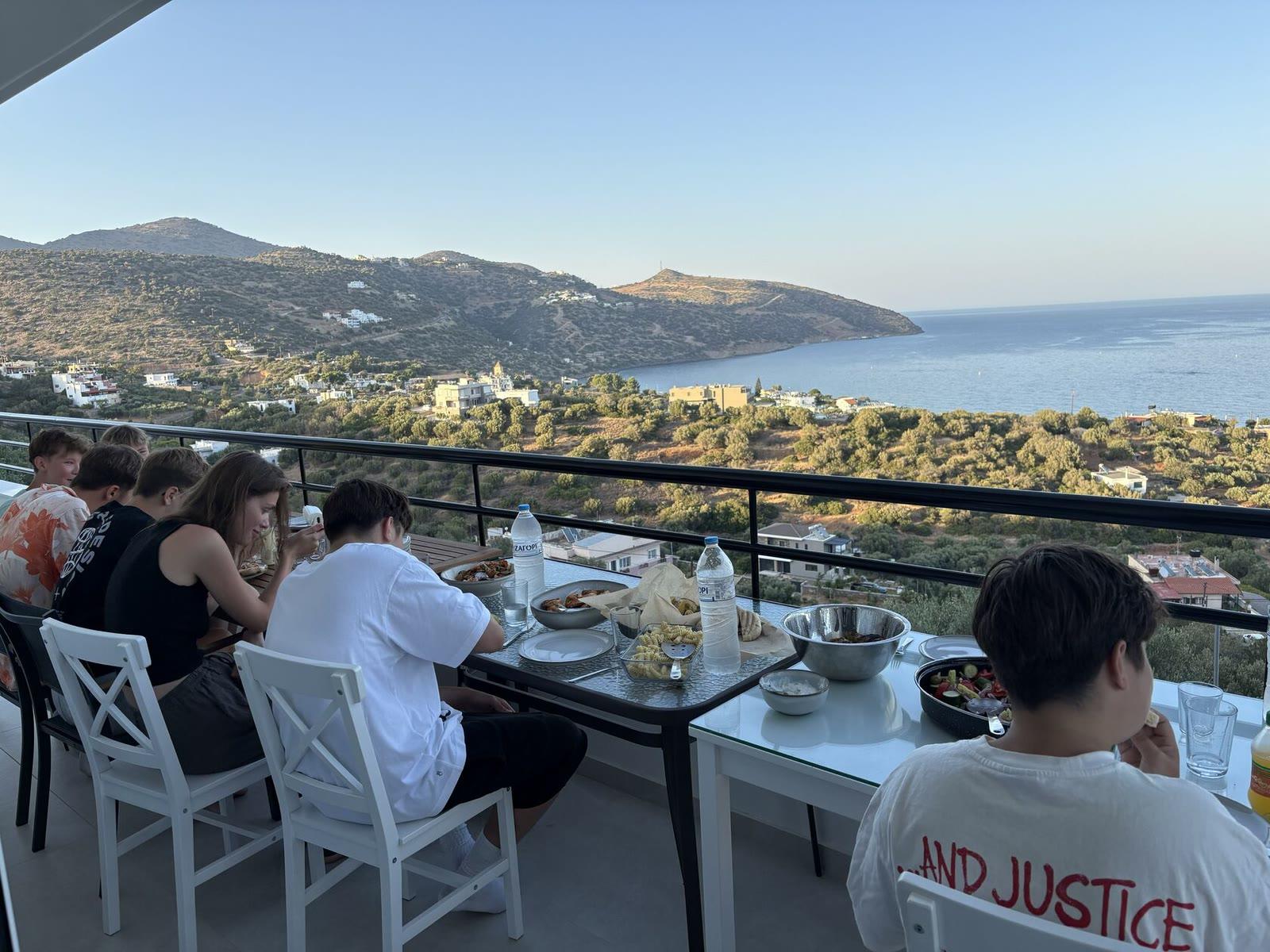
Campers eating together at a terrace table overlooking the sea

Food

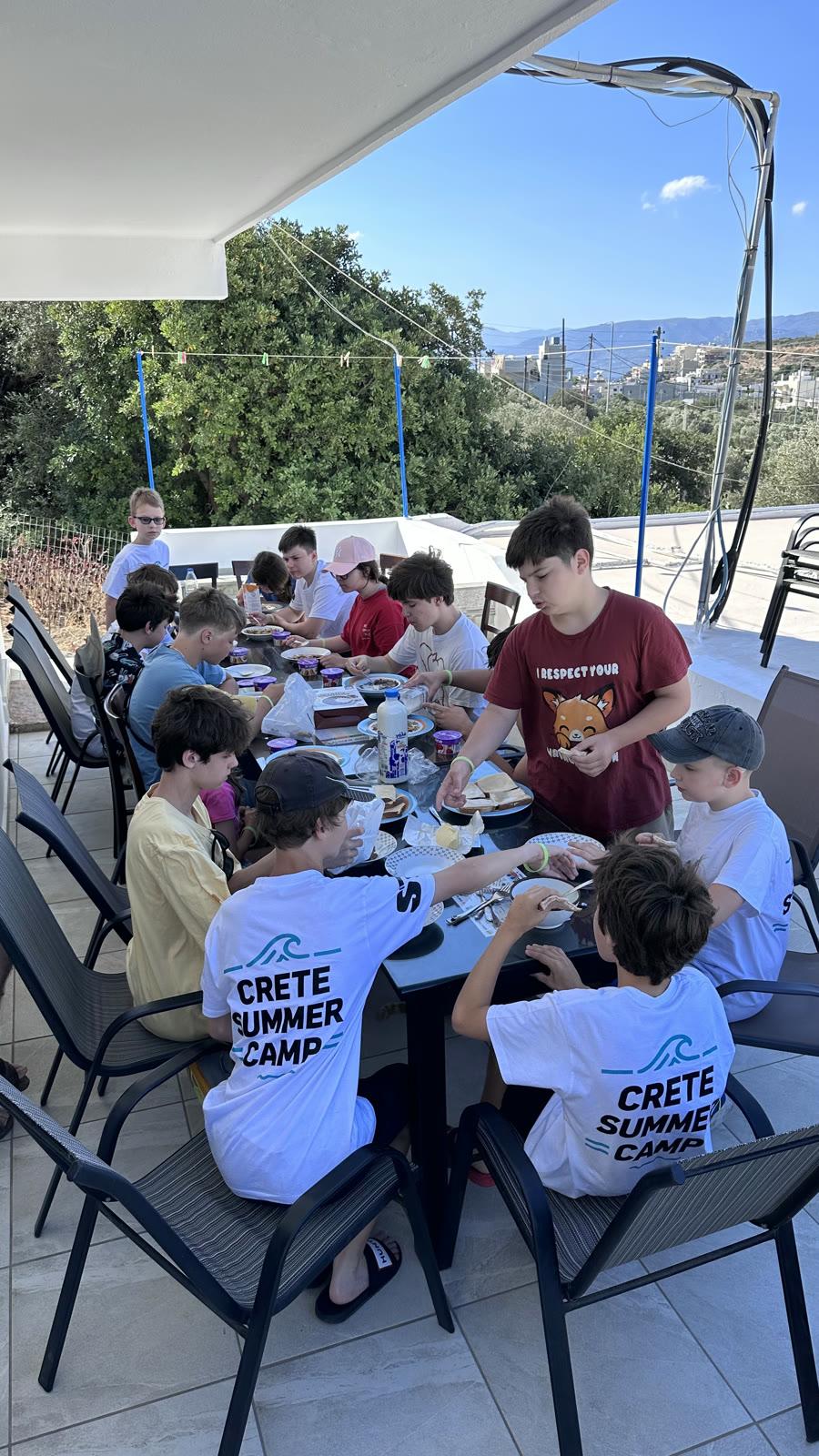
No sugar and nothing over-processed. Fresh vegetables, fish, meat, dairy and olive oil, with fruit all day.

Early in the session there is a talk on healthy eating. After that, kids plan the menu and cook with the chef and coaches, and learn to count calories and macros.

We account for allergies, tastes and parents’ notes. Now and then we eat out in town to try the local food.

Excursions

Free time: a basketball court, tennis courts, volleyball, ping-pong, board games — UNO, checkers, chess. Evening walks around town.

  • Spinalonga island

    A boat trip and the island’s history. A shared trip for all groups.

  • Glass-bottom boat

    Meeting Crete’s sea life.

  • Sea fishing

    For older kids: out on a boat, sea life and fishing basics.

  • Mountains and a monastery

    A hike on pre-checked trails and a visit to a monastery.

  • Richtis gorge

    An icy river for toughening up, and a real sense of adventure.

  • Adventure park

    A day of active fun away from training.

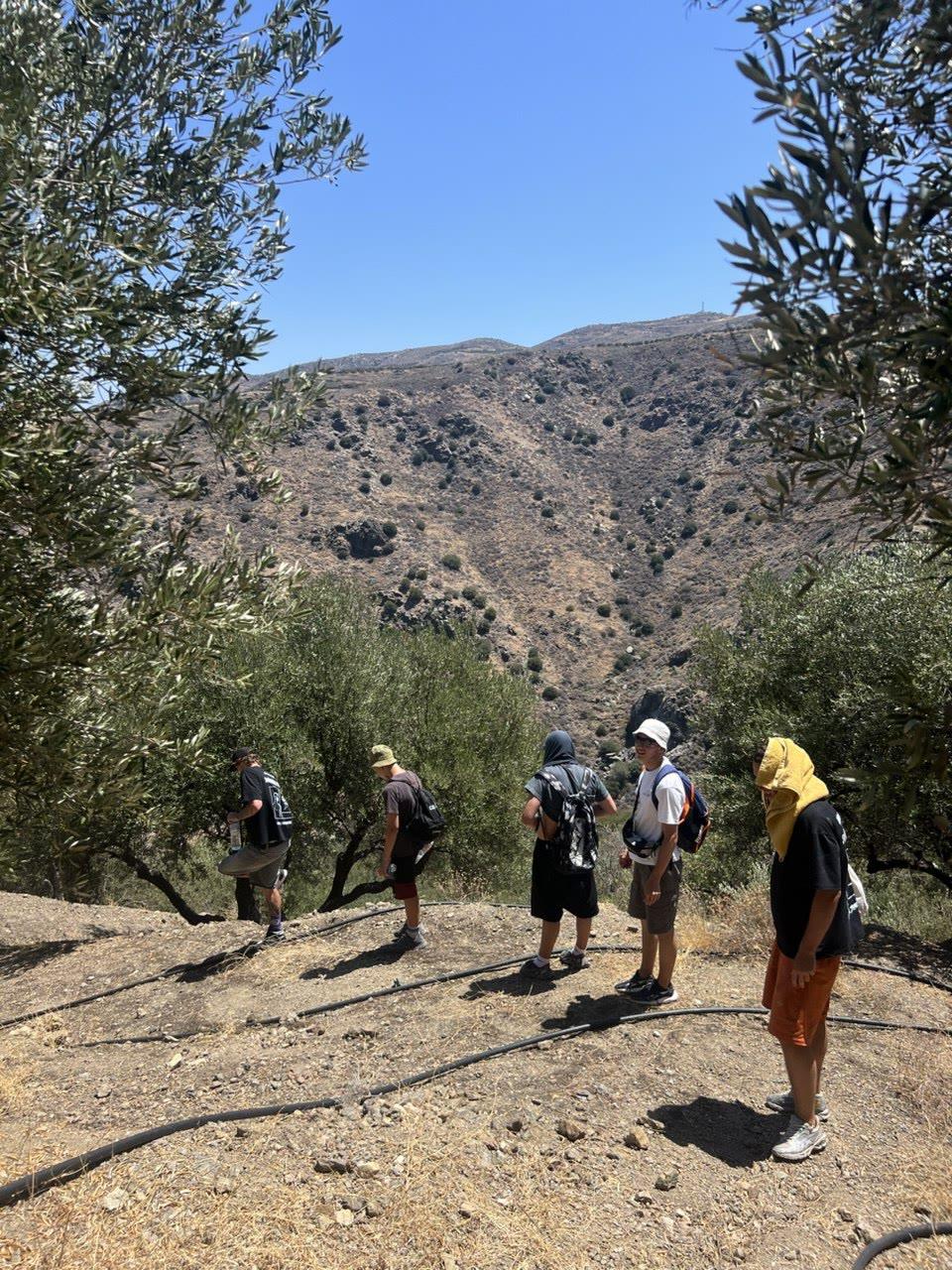
  • The group on a mountain trail among olive trees
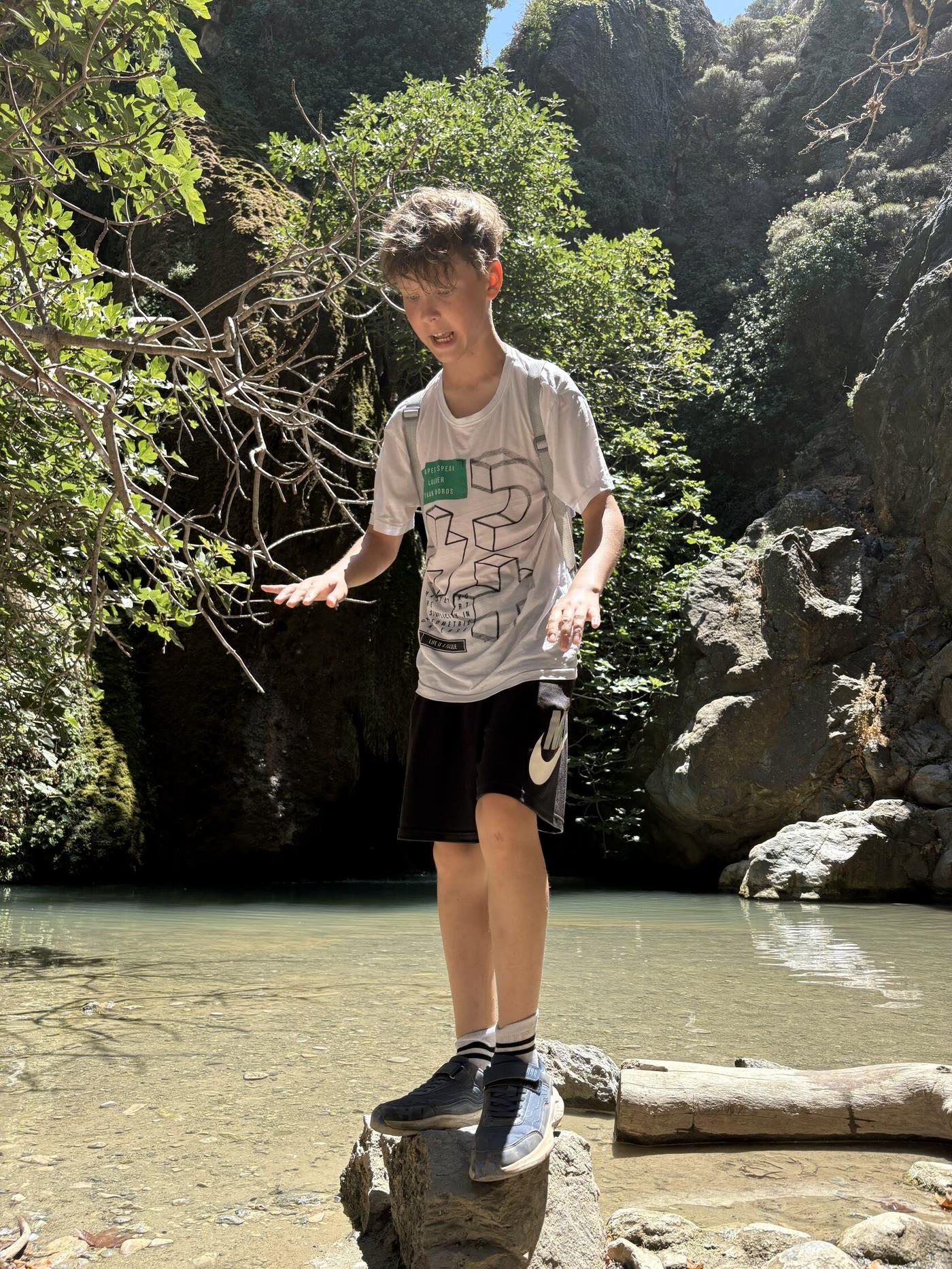
  • A boy on the stones of a stream in a gorge
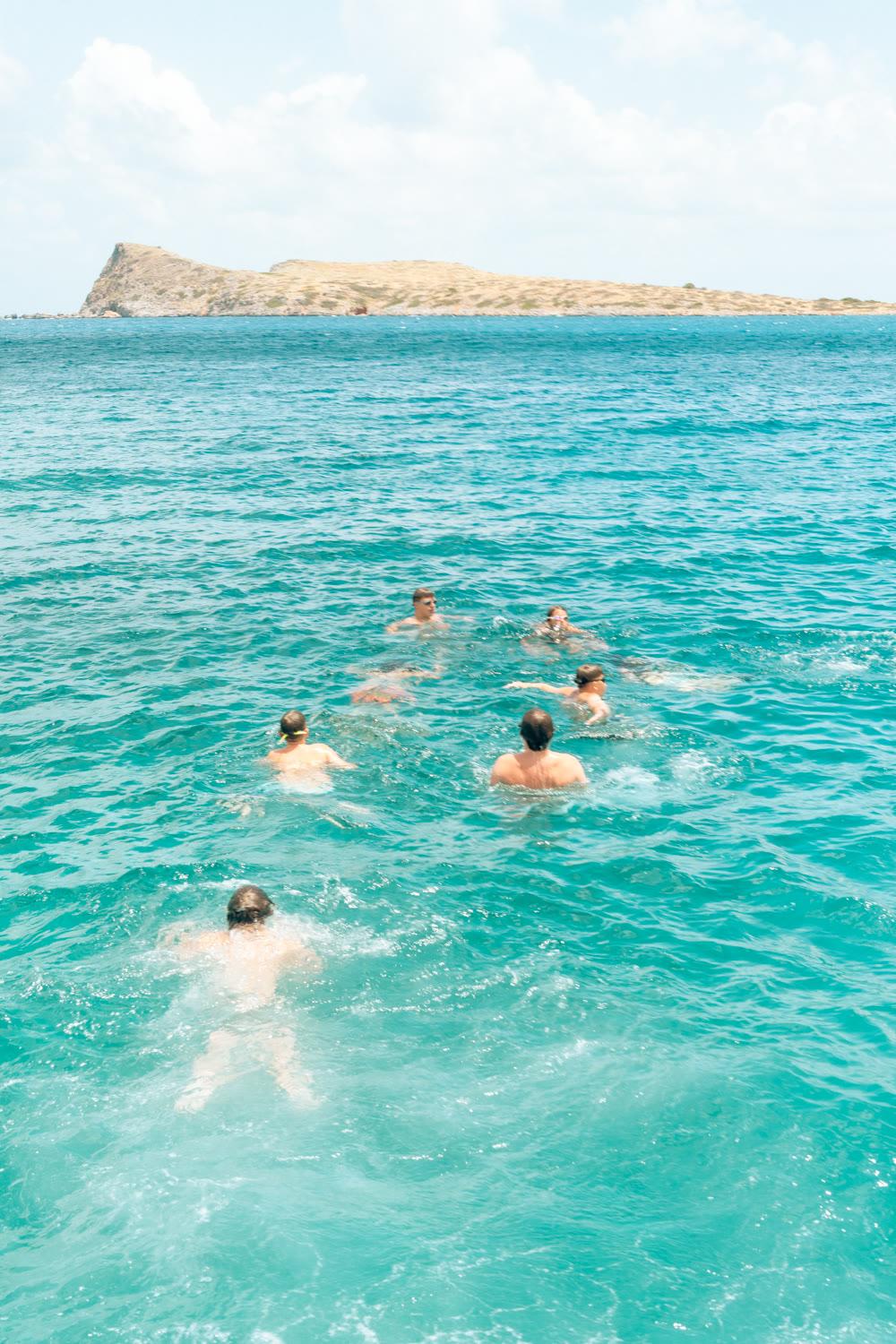
  • Campers swimming through turquoise water towards a small island
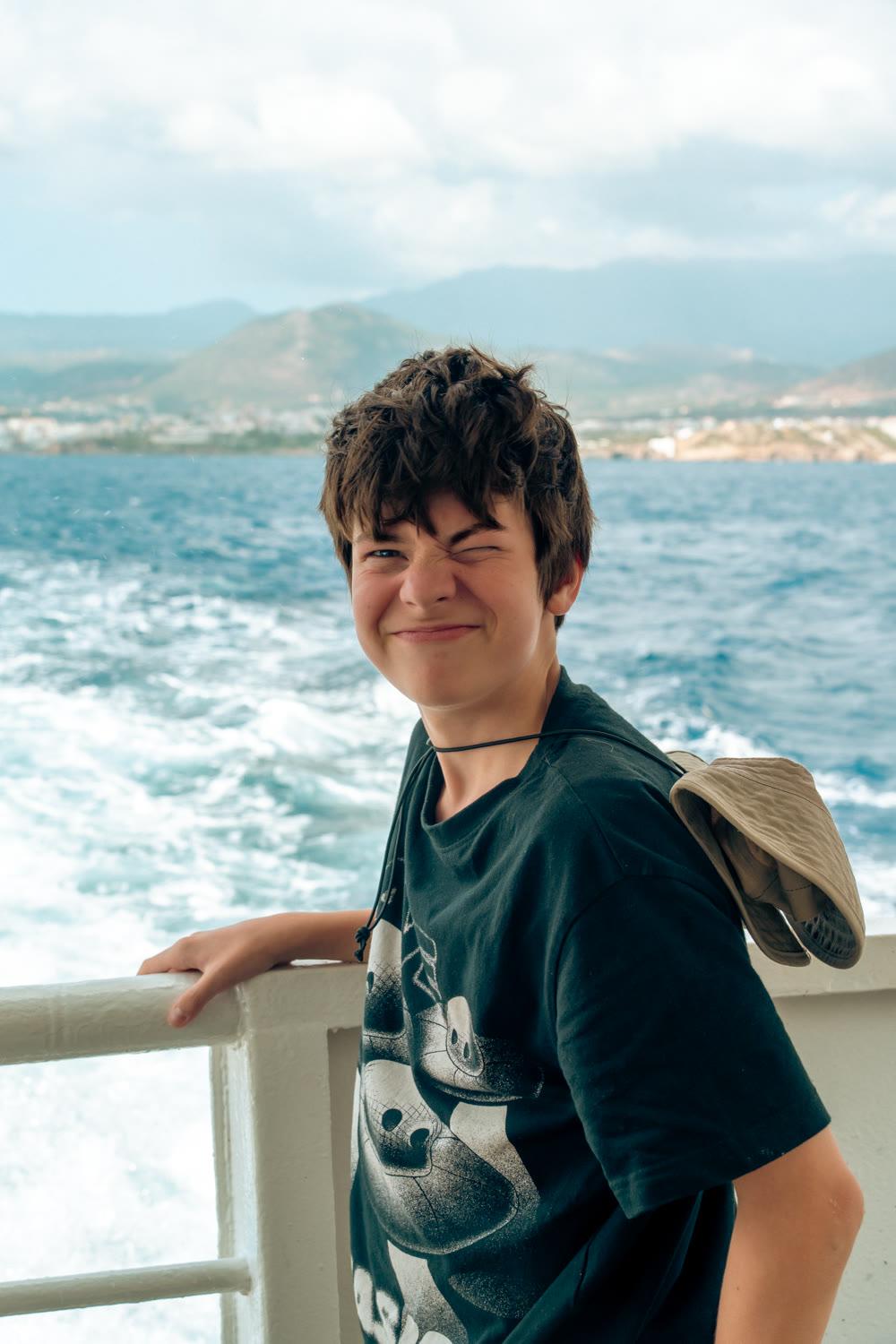
  • A camper grinning on a boat deck, the wake foaming behind
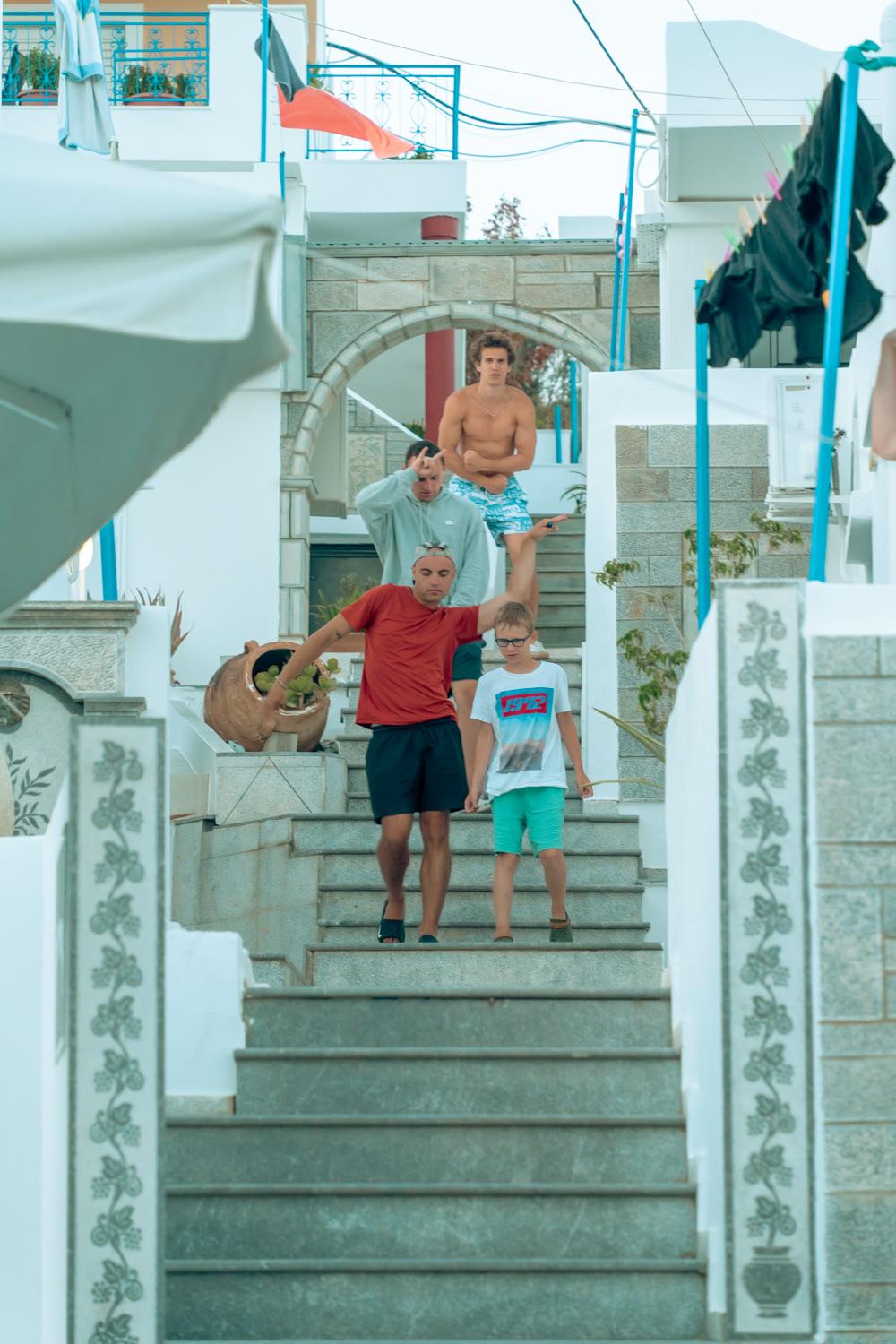
  • The group walking down the white steps of a narrow lane
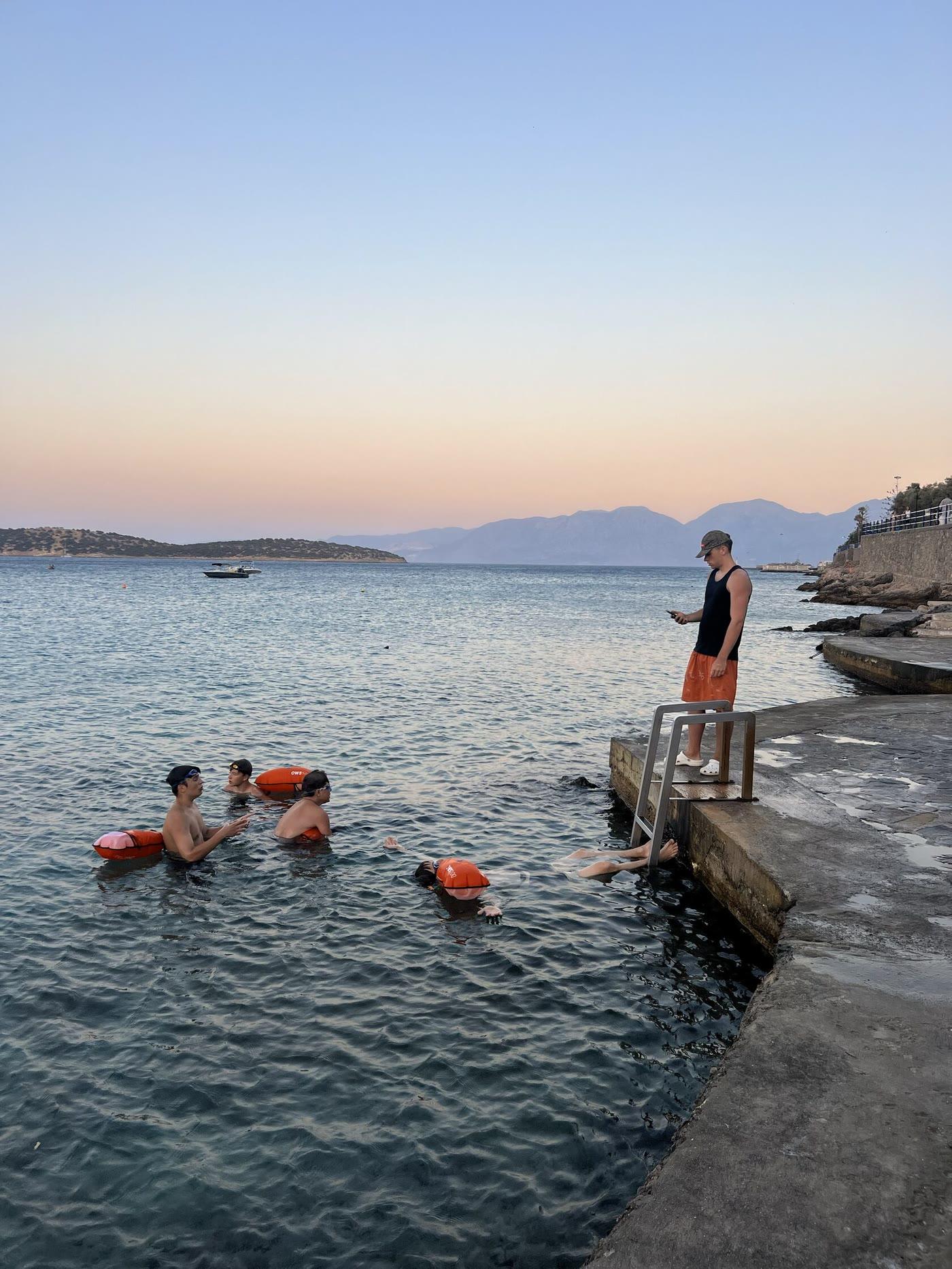
Campers swimming in the sea with orange buoys while a coach watches from the pier

Safety

  • Lifeguard and doctor 24/7

    A lifeguard and a doctor are on site with the coaches at all times, at every swim, session and outing.

  • Trained staff

    All staff are trained in first aid. Everyone knows the emergency procedure and is personally responsible for the kids’ safety.

  • Emergencies

    A car is always ready to go. The nearest hospital is 5 minutes away, and the whole team knows its address and the doctors’ contacts. Coaches carry first-aid kits, and there are kits at every training spot.

  • Insurance

    Every participant must be insured. We can arrange it for you, quickly and properly.

  • A buoy in the water

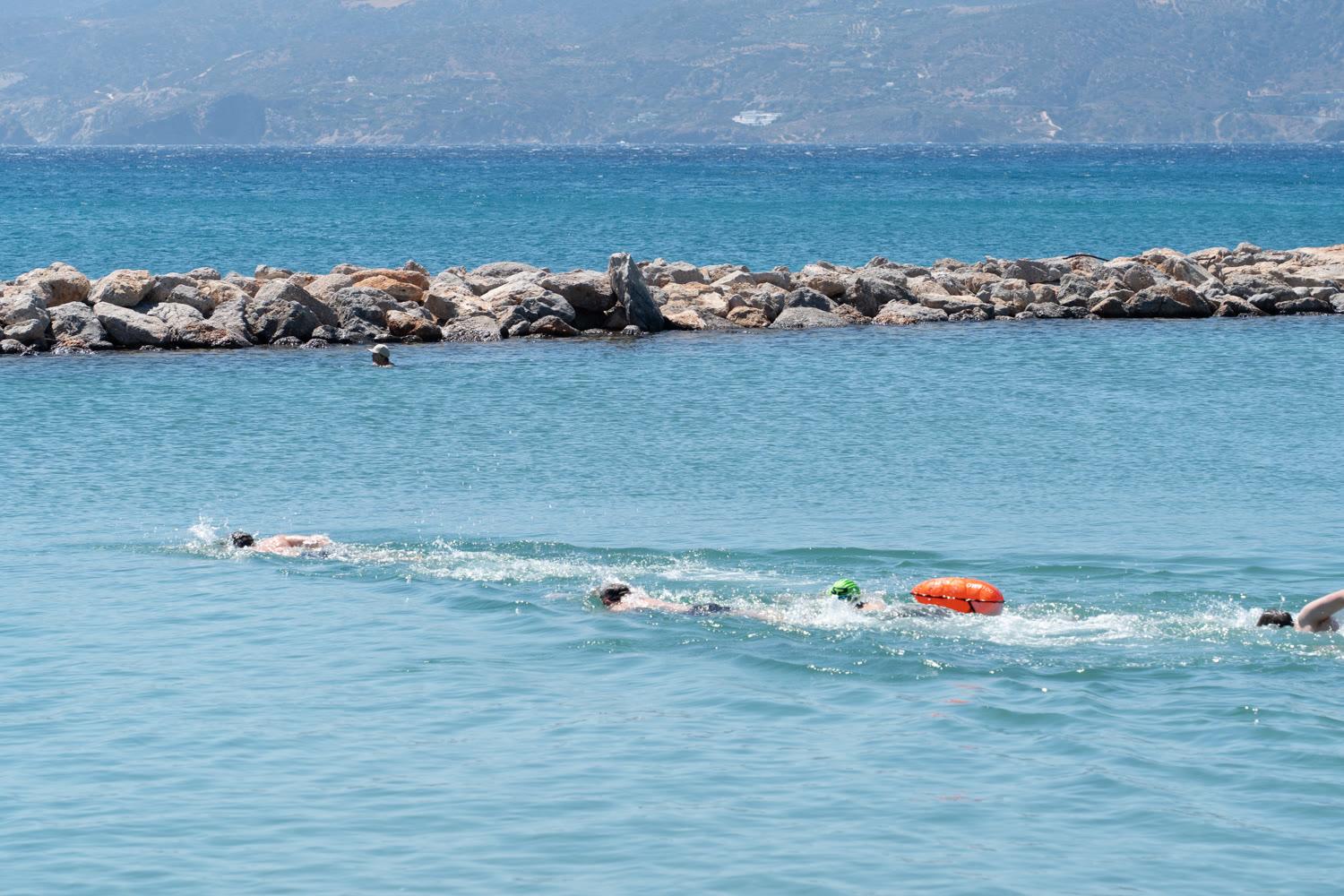
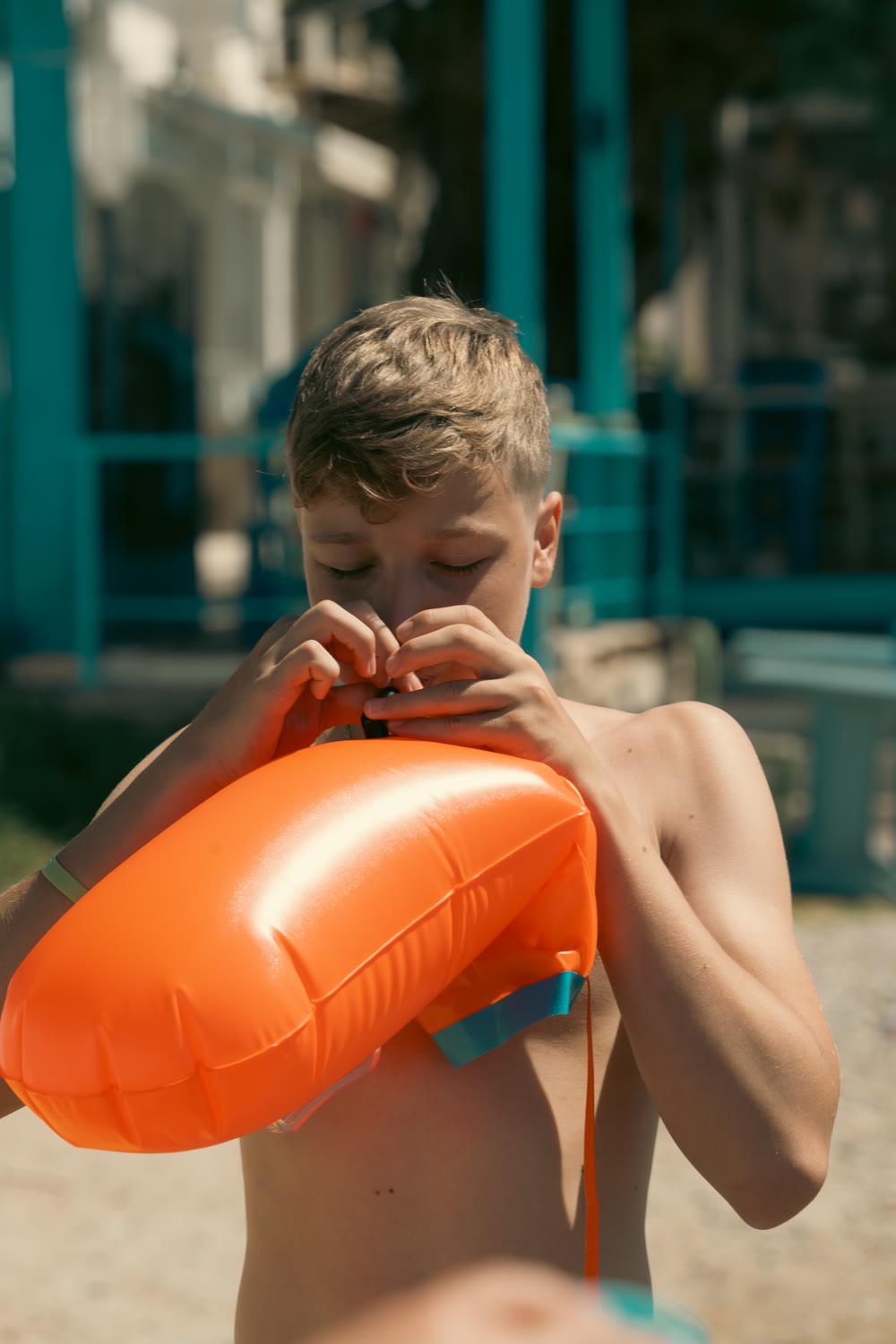
    Kids swim with a buoy at every open-water session. It keeps them afloat, gives them something to hold if they get a cramp and can carry a water bottle — peace of mind for coaches and parents.

Rules and supervision

  • Disciplinenobody leaves the grounds on their own; any move only with a coach’s permission.

  • Moving in groupsnobody walks alone; the buddy system applies.

  • Constant supervisionkids are never left without adults — in training, at rest or around the house.

  • Trips and outingsevery column has a leader and a sweeper; we keep formation.

  • Head countsat every boarding, drop-off, crossing and stop.

  • Routesonly known, pre-checked roads and trails.

  • Swimmingonly with a coach and lifeguard present, on command, in the marked zone.

  • Water buddieswe go in pairs; nobody enters the water without a buddy.

  • Checking the waterdepth, current, bottom, visibility and exit points are assessed in advance.

  • Swimming with a buoyeveryone uses a buoy in open water, for visibility and safety.

  • Trainingseveral coaches on site; technique, distance and pace are monitored.

  • Free timeevery move is agreed with a coach; no solo outings.

  • Medical readinesscoaches carry first-aid kits; the nearest hospitals and routes are known.

  • Briefingsa short briefing on rules and signals before every activity.

Formats

Day camp

For families staying on Crete with their child: training without accommodation, any number of days. Suits younger kids; for teens from about 12 we recommend the full format.

Excursions are not in the base price: on trip days, tickets and required costs are paid separately — we tell you in advance.

Camp without flight

The full live-in format when you get your child to Crete yourselves. If they join later or fly from another city, we meet them at the airport and bring them to camp.

Accommodation, meals, all training, excursions, 24/7 supervision and local transfers.

Camp with flight

For kids flying without their parents: a full escorted transfer from Warsaw to Agios Nikolaos.

Everything in the camp without flight, plus the escorted journey from Warsaw.

Included

  • Accommodation
  • Meals
  • All training
  • Excursions
  • 24/7 supervision
  • All transfers

The organisers share the price on request. Sibling discounts are agreed individually with Yury or Petr. Pocket money is only needed for souvenirs.

Apply

Format and groups

Daily life

Safety and health

Contact and travel

Sign your child up

Fill in the form, or call the organisers directly.